
Stem cells for knee pain Virginia Beach is one of the most common searches from active adults who want to understand non-surgical options for knee arthritis, bone-on-bone knee pain, stiffness, swelling, and chronic knee pain before considering knee replacement surgery.
Axis Medical Center | Virginia Beach, VA Call 757-965-2476
Virginia Beach Regenerative Medicine
Stem Cells for Knee Pain in Virginia Beach
Non-surgical options for knee arthritis, bone-on-bone knee pain, stiffness, swelling, cartilage loss, and chronic knee pain.
Are you searching for stem cells for knee pain in Virginia Beach because you are trying to avoid knee replacement surgery? You are not alone.
At Axis Medical Center, we help patients with knee pain, arthritis, osteoarthritis, cartilage loss, meniscus-related pain, and bone-on-bone knee concerns explore non-surgical regenerative medicine options.
Call 757-965-2476 Schedule a Consultation
Stem Cells for Knee Pain Virginia Beach: Who Is This For?
Find Out If You Are a Candidate
If knee pain is keeping you from walking, climbing stairs, exercising, golfing, playing pickleball, traveling, or enjoying life, it may be time to explore your options.
We do not claim stem cells cure knee arthritis. Our goal is to help you understand whether stem cell-based regenerative care may be appropriate for your specific knee.
Axis Medical Center
4542 Bonney Rd, Suite B
Virginia Beach, VA 23462
Local Virginia Beach Clinic
Focus Knee Pain & Arthritis
Approach Non-Surgical Options
Goal Stay Active Longer
Are You Looking for Stem Cells for Knee Pain?
Most patients who search for stem cells for knee pain are not just looking for temporary pain relief. They are looking for hope, mobility, confidence, and a way to stay active without rushing into major surgery.
Many people come to Axis Medical Center after being told they have knee arthritis, osteoarthritis, cartilage loss, meniscus damage, or bone-on-bone knees. Some have already tried cortisone shots, gel injections, braces, medications, physical therapy, or rest — and they are still hurting.
You may be asking:
- Can stem cells help my knee pain?
- Can stem cells help knee arthritis?
- Can I avoid knee replacement surgery?
- Do stem cells help bone-on-bone knees?
- Can I get back to golf, pickleball, walking, travel, gardening, or exercise?
- Is there a non-surgical option before I commit to knee replacement?
- Is there a stem cell knee clinic near me in Virginia Beach?
These are the exact questions we help patients work through at Axis Medical Center.
Stem Cells for Knee Pain Virginia Beach: Who Is This For?
This page is for people with knee pain who want to understand their options before choosing surgery.
Many patients have already tried rest, braces, cortisone shots, gel injections, physical therapy, or medication.
Others have been told they may need a knee replacement in the future.
At Axis Medical Center, we help you find out whether stem cell-based regenerative medicine may be reasonable for your knee.
Common Knee Pain Symptoms That May Lead People to Consider Stem Cells
You may benefit from a knee pain consultation if you are experiencing any of the following symptoms:
- Knee pain when walking
- Knee pain going up stairs
- Knee pain going down stairs
- Knee stiffness after sitting
- Swelling around the knee
- Grinding, popping, clicking, or cracking
- Pain on the inside of the knee
- Pain on the outside of the knee
- Pain behind the kneecap
- Pain behind the knee
- Morning knee stiffness
- Trouble squatting or kneeling
- Difficulty getting up from a chair
- Knee weakness or instability
- A knee that feels like it may buckle
- Pain after exercise
- Pain that limits golf or pickleball
- Bone-on-bone knee pain
- Meniscus-related knee pain
- Cartilage loss
- Knee pain that has not improved with standard care
Pain is your body’s warning signal. At Axis Medical Center, we look beyond the symptom and ask: Why is the knee hurting, inflamed, unstable, or breaking down?
Optional image placement: Use a real Axis Medical Center photo here. Suggested alt text: “Stem cells for knee pain consultation at Axis Medical Center in Virginia Beach.”
What Causes Chronic Knee Pain?
Knee pain can come from many different problems. Sometimes the diagnosis is obvious. Other times, the label does not fully explain why the pain is happening.
Knee Arthritis
Knee arthritis is one of the most common reasons patients search for stem cells. Arthritis can cause pain, stiffness, swelling, grinding, and loss of mobility.
Osteoarthritis
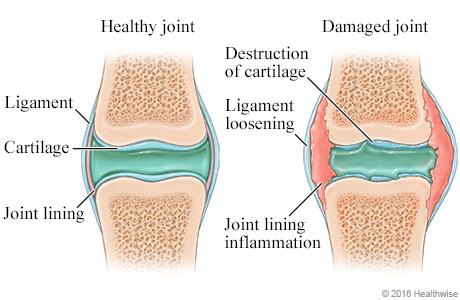
Osteoarthritis occurs when joint cartilage begins to break down over time. This can lead to inflammation, reduced shock absorption, and painful movement.
Bone-on-Bone Pain
Bone-on-bone changes usually mean there is significant cartilage loss inside the knee joint. Many patients want to explore non-surgical options before surgery.
Cartilage Loss
Cartilage helps the knee glide smoothly. When cartilage thins or becomes damaged, the knee may feel stiff, painful, swollen, or unstable.
Meniscus Damage
The meniscus acts like a cushion inside the knee. Some meniscus problems happen from injury, while others develop gradually over time.
Old Injuries
Old sports injuries, military service, running, football, tennis, basketball, or years of activity can create long-term knee problems.
Stem Cells for Knee Arthritis in Virginia Beach
Many patients contact Axis Medical Center because they specifically want to know whether stem cells can help knee arthritis.
The honest answer is: it depends.
Stem cell-based regenerative medicine is not magic. It is not a cure. It does not regrow a brand-new knee overnight. And it is not appropriate for every patient.
However, regenerative medicine may be considered for certain patients with knee pain, arthritis, cartilage irritation, meniscus-related pain, inflammation, or degenerative joint changes.
At Axis Medical Center, we evaluate your history, symptoms, imaging, function, and goals to determine whether you may be a candidate.
Important: Axis Medical Center does not claim that stem cells cure knee arthritis. Our goal is to help you understand whether stem cell-based regenerative care may be a reasonable non-surgical option for your specific case.
Stem Cells for Bone-on-Bone Knees
Being told you have “bone-on-bone” knees can feel terrifying. Many people hear that phrase and assume they are out of options.
But imaging is only one piece of the story. At Axis Medical Center, we also consider your pain level, walking ability, knee stability, inflammation, range of motion, prior treatments, and goals.
We help you answer an important question:
Is it reasonable to explore stem cell-based regenerative knee care before choosing knee replacement surgery?
Some patients with advanced degeneration may still want to explore non-surgical options before surgery. Others may truly need orthopedic evaluation. Our job is to help you understand your options clearly and honestly.
Why Patients Want Stem Cells Before Knee Replacement
Knee replacement can be life-changing for some people. But it is still major surgery.
Many patients want to know if they have another option before committing to:
- Hospital or surgical center procedures
- Anesthesia
- Surgical risks
- Implant hardware
- Post-surgical pain
- Physical therapy
- Time away from work or family
- Weeks or months of recovery
- Possible revision surgery later in life
At Axis Medical Center, we often see active adults who are not emotionally, physically, or practically ready for knee replacement.
These patients want to stay active, limit downtime, and explore regenerative options before making a permanent surgical decision.
Many also want a second opinion because they still have goals: walking, golfing, traveling, exercising, or keeping up with family.
Want to Know If Stem Cells Are an Option for Your Knee?
If you have knee pain, arthritis, stiffness, swelling, cartilage loss, or bone-on-bone changes, call Axis Medical Center and ask about a stem cell knee pain consultation.
Call 757-965-2476 Schedule Now
What Kind of Stem Cell Treatment Do You Offer for Knees?
Axis Medical Center offers regenerative medicine options for knee pain. Depending on the patient and case, this may include stem cell-based products or other biologic options designed to support the body’s natural healing response.
Your provider will explain:
- What product may be considered
- Why it may or may not be appropriate
- What the goal of care is
- What results are realistic
- What the process looks like
- What you should avoid before and after treatment
- Whether supportive care may be recommended
We will not tell every patient they are a candidate. The right evaluation matters.
Who May Be a Good Candidate for Stem Cells for Knee Pain?
You may be a candidate if you:
- Have chronic knee pain
- Have knee arthritis or osteoarthritis
- Have been told you have cartilage loss
- Have been told you are bone-on-bone
- Have meniscus-related pain
- Want to avoid or delay knee replacement
- Want to avoid opioids
- Want a non-surgical approach
- Are active or want to become active again
- Are willing to follow post-treatment instructions
You may not be a candidate if you have:
- Severe instability requiring surgical correction
- Acute fracture
- Active infection
- Certain uncontrolled medical conditions
- Severe deformity
- Advanced disease requiring orthopedic surgical management
- Unrealistic expectations
What to Expect at Your Knee Stem Cell Consultation
Your first visit at Axis Medical Center is designed to answer one major question:
Are you a reasonable candidate for non-surgical regenerative knee care?
We Listen to Your Story
We want to know how knee pain is affecting your life. Are you avoiding stairs? Giving up golf? Struggling at work? Worried about travel?
We Review Your Symptoms
We ask about pain location, swelling, stiffness, instability, activity limits, prior injuries, previous treatments, and what makes the knee better or worse.
We Review Imaging
If you have X-rays, MRI reports, orthopedic notes, or prior injection records, bring them with you.
We Evaluate Function
We may look at how you walk, bend, stand, move, and load the knee.
We Discuss Candidacy
If stem cell-based regenerative care may be appropriate, we will explain your options. If you are not a good candidate, we will tell you.
You Receive Recommendations
You leave with a clearer understanding of your knee pain and possible next steps.
Why Choose Axis Medical Center for Knee Pain?
Patients choose Axis Medical Center because we are not simply chasing symptoms. We look at the knee, the body, the lifestyle, and the goal.
Integrated Evaluation
We consider your joint, movement, inflammation, lifestyle, and prior treatment history.
Regenerative Options
We help appropriate candidates explore stem cell-based regenerative medicine for knee pain.
Non-Surgical Philosophy
Some patients come to us beacuse they want to avoid or delay knee replacement when reasonable.
Honest Candidacy Screening
We do not tell every patient they are a candidate. We help you understand what is realistic.
Stem Cell Injections for Knees Near Me
If you are searching online for stem cell injections for knees near me, you are probably looking for a clinic that understands both regenerative medicine and active adults.
Axis Medical Center is located in Virginia Beach and serves patients throughout Hampton Roads.
Virginia BeachNorfolkChesapeakePortsmouthSuffolkKempsvilleGreat NeckHilltopRed MillPungoPrincess AnneGhentGreenbrierMoyockWilliamsburgNewport NewsHampton Roads
Visit Axis Medical Center in Virginia Beach
Axis Medical Center
4542 Bonney Rd, Suite B
Virginia Beach, VA 23462
Phone: 757-965-2476
Call Now Request an Appointment
Frequently Asked Questions About Stem Cells for Knee Pain in Virginia Beach
Often patients searching for stem cells for knee pain in Virginia Beach have questions about arthritis, bone-on-bone knees, knee replacement alternatives, injections, recovery, candidacy, and what results are realistic. Below are common questions we hear from patients at Axis Medical Center. Can stem cells help knee pain?
Stem cell-based regenerative medicine may be an option for some patients with chronic knee pain, knee arthritis, cartilage irritation, meniscus-related pain, or degenerative joint changes. Stem cells are not a guaranteed cure, and they are not appropriate for every knee condition.
At Axis Medical Center in Virginia Beach, we evaluate your symptoms, imaging, function, health history, and goals to determine whether you may be a reasonable candidate for regenerative knee care. Many patients who ask about stem cells are looking for a non-surgical option before considering knee replacement. Do stem cells cure knee arthritis?
No. Axis Medical Center does not claim that stem cells cure knee arthritis. Knee arthritis is a degenerative condition, and results vary from patient to patient.
Stem cell-based regenerative medicine is designed to support the body’s natural healing and repair response. For the right candidate, it may help support joint function, mobility, comfort, and tissue health. The first step is a consultation to determine whether your knee arthritis is appropriate for this type of non-surgical care. Can stem cells help bone-on-bone knees?
Some patients with bone-on-bone knee changes may still want to explore stem cell-based regenerative options before knee replacement surgery. Whether you are a candidate depends on several factors, including your pain level, range of motion, knee stability, imaging findings, inflammation, overall health, and activity goals.
Being told you are “bone-on-bone” does not automatically mean you have no options. However, it also does not mean every patient is a good candidate for stem cells. At Axis Medical Center, we help you understand what is realistic for your specific knee. What does bone-on-bone knee pain feel like?
Bone-on-bone knee pain may feel like deep aching, grinding, stiffness, swelling, sharp pain with movement, or pain when standing and walking. Many patients also report difficulty going up or down stairs, getting out of a chair, squatting, kneeling, or walking long distances.
Some people feel pain on the inside of the knee, while others feel pain behind the kneecap or throughout the entire joint. The severity of symptoms can vary, which is why a proper evaluation is important. What causes knee pain when walking?
Knee pain when walking may be caused by arthritis, cartilage loss, meniscus irritation, ligament strain, tendon inflammation, swelling, poor foot mechanics, hip weakness, or poor knee alignment. In some patients, the knee joint becomes inflamed and painful because it is no longer absorbing force properly.
If walking has become painful, it is important to find out whether the problem is coming from the joint surface, soft tissue, movement mechanics, inflammation, or a combination of factors. Why does my knee hurt going up or down stairs?
Knee pain on stairs is commonly linked to arthritis, cartilage irritation, kneecap tracking problems, quadriceps weakness, meniscus issues, inflammation, or poor joint mechanics. Going down stairs can be especially difficult because the knee must control more force as your body lowers.
Many patients notice stair pain before they notice pain during normal walking. This can be an early sign that the knee needs evaluation. Why is my knee stiff after sitting?
Knee stiffness after sitting is often called “startup stiffness.” It is common in patients with knee arthritis, osteoarthritis, cartilage loss, joint inflammation, or reduced mobility.
Many patients say their knee feels stiff when they first stand up, then loosens after a few steps. Even if the stiffness improves with movement, it may still indicate that the knee joint is irritated or degenerating. What causes swelling around the knee?
Knee swelling may occur when the joint is irritated or inflamed. Common causes include arthritis, meniscus injury, ligament injury, cartilage damage, overuse, trauma, bursitis, or inflammatory conditions.
Recurring swelling is a sign that the knee is not tolerating stress well. If your knee repeatedly swells after walking, exercise, golf, pickleball, stairs, or normal daily activity, you should schedule an evaluation. Can stem cells help a meniscus tear?
Stem cell-based regenerative medicine may be considered for some patients with meniscus-related knee pain, especially when the problem is degenerative rather than a severe traumatic tear requiring surgery. However, not every meniscus tear is appropriate for regenerative care.
Your provider will consider your symptoms, MRI findings if available, joint stability, pain pattern, and activity goals before making a recommendation. Can stem cells regrow cartilage in the knee?
Axis Medical Center does not claim that stem cells regrow a brand-new knee or reverse all cartilage loss. Regenerative medicine is intended to support the body’s natural repair and healing response.
For patients with cartilage degeneration, the goal is often to improve comfort, function, mobility, and quality of life when appropriate. A consultation helps determine whether your cartilage loss is too advanced or whether regenerative care may still be reasonable. Are stem cell injections for knees painful?
Most patients tolerate knee injections well. You may feel pressure, pinching, aching, or temporary discomfort during the injection process. The procedure is usually much shorter than surgery and does not involve a large incision.
Your provider will explain what to expect before, during, and after the procedure so you feel prepared. How long does it take to feel results after stem cells in the knee?
Results vary. Some patients notice changes sooner, while others improve gradually over several weeks to months. Regenerative medicine is not usually an instant pain-blocking treatment like a numbing injection.
Because the goal is to support the body’s natural repair response, improvement may depend on the severity of your knee condition, your activity level, inflammation, overall health, and how well you follow post-treatment instructions. Is there downtime after stem cell knee injections?
Stem cell-based knee procedures typically involve less downtime than knee replacement surgery, but you still need to follow your provider’s aftercare instructions. You may be advised to avoid certain activities for a period of time while the knee responds.
Your provider may give you specific guidance about walking, exercise, stairs, work, travel, anti-inflammatory medications, bracing, and rehabilitation based on your treatment plan. Can I walk after stem cell injections in my knee?
Many patients are able to walk after regenerative knee injections, but instructions vary depending on the patient, the procedure, and the severity of the condition. Some patients may be advised to reduce activity, avoid high-impact exercise, or follow a specific movement plan.
Your Axis Medical Center provider will give you personalized instructions for your knee. Can I avoid knee replacement with stem cells?
Some patients explore stem cells because they want to avoid or delay knee replacement surgery. Not every patient can avoid surgery, and Axis Medical Center does not promise that stem cells will prevent knee replacement.
However, if you are looking for non-surgical options before making a major surgical decision, a knee pain consultation can help you understand whether regenerative medicine may be appropriate. What are alternatives to knee replacement surgery?
Alternatives to knee replacement may include conservative care, strengthening, weight management, bracing, physical medicine, chiropractic support when appropriate, anti-inflammatory lifestyle changes, injections, platelet-rich plasma, regenerative medicine, and stem cell-based options.
The right approach depends on your diagnosis, imaging, symptoms, goals, and how much function you still have in the knee. What if I was already told I need knee replacement?
If you have already been told you need knee replacement, you can still schedule a consultation to better understand your options. Some patients are still reasonable candidates for non-surgical support, while others may be better served by orthopedic surgery.
At Axis Medical Center, we aim to be honest. If we do not believe regenerative care is appropriate for your knee, we will tell you. What if cortisone shots did not help my knee pain?
Many patients who come to Axis Medical Center have already tried cortisone shots. Cortisone may temporarily reduce inflammation for some patients, but it does not address every cause of chronic knee pain.
If cortisone did not help, or if relief was short-lived, you may want to explore whether a regenerative approach is appropriate for your knee. What if gel injections did not help my knee pain?
Gel injections, also called viscosupplementation, are intended to improve lubrication in the knee joint. Some patients respond well, while others do not notice lasting improvement.
If gel injections did not provide the results you hoped for, a consultation can help determine whether your pain is coming from arthritis, inflammation, cartilage loss, meniscus irritation, instability, or other factors. Is stem cell knee treatment the same as PRP?
No. PRP, or platelet-rich plasma, is made from your own blood and contains concentrated platelets. Stem cell-based regenerative products are different biologic options. Both fall under the larger category of regenerative medicine, but they are not the same treatment.
Your provider can explain which option may be considered for your specific knee condition. What is regenerative medicine for knee pain?
Regenerative medicine for knee pain uses biologic therapies intended to support the body’s natural healing and repair processes. These options may be considered for certain patients with arthritis, soft tissue injuries, cartilage irritation, or degenerative joint pain.
At Axis Medical Center, regenerative medicine is part of a broader evaluation that considers the joint, movement, inflammation, health history, and patient goals. Am I too young for stem cells in my knee?
Many active adults explore stem cell-based care because they feel too young for knee replacement or want to delay surgery. Age alone does not determine candidacy.
Your provider will consider your diagnosis, symptoms, imaging, activity level, health status, and goals before determining whether regenerative care may be appropriate. Am I too old for stem cells in my knee?
Not necessarily. Age is only one factor. Some older patients may still be candidates for regenerative knee care depending on their health, function, symptoms, and goals.
The more important question is whether your knee has enough function and stability to reasonably respond to a non-surgical approach. Can stem cells help knee pain from old sports injuries?
Stem cell-based regenerative medicine may be considered for certain patients with chronic knee pain from old sports injuries, overuse, meniscus irritation, ligament strain, or degenerative joint changes.
Many former athletes, military members, runners, golfers, tennis players, and active adults develop knee pain years after an injury. A consultation can help determine whether regenerative options may be appropriate. Can stem cells help knee pain from arthritis and inflammation?
Regenerative medicine may be considered for some patients with arthritis-related knee pain and inflammation. The goal is not to cure arthritis, but to support the body’s healing response, reduce stress on the joint when possible, and improve function in appropriate candidates.
A full evaluation helps determine whether inflammation, joint degeneration, mechanics, or other health factors may be contributing to your pain. What makes someone a good candidate for stem cells for knee pain?
A good candidate may be someone with chronic knee pain, knee arthritis, cartilage irritation, meniscus-related pain, or degenerative changes who wants to avoid or delay surgery and still has reasonable joint function.
Good candidates also understand that results vary, regenerative medicine is not a cure, and following post-treatment instructions matters. Who is not a good candidate for stem cell knee treatment?
You may not be a good candidate if you have an acute fracture, active infection, severe instability, severe deformity, advanced joint destruction requiring surgery, uncontrolled medical issues, or unrealistic expectations.
At Axis Medical Center, candidacy screening is an important part of the consultation process. Do I need an MRI before stem cell knee treatment?
Not every patient needs an MRI before consultation. If you already have an MRI, X-ray, or orthopedic report, bring it with you. Imaging can help your provider understand the severity of your knee condition.
In some cases, additional imaging may be recommended before making treatment decisions. Should I bring my X-rays or MRI reports?
Yes. If you have knee X-rays, MRI reports, orthopedic notes, injection records, or physical therapy records, bring them to your consultation. These records can help us better understand your case and determine whether you may be a candidate for regenerative knee care. How do I know if my knee pain is arthritis?
Common signs of knee arthritis include stiffness, swelling, aching, grinding, pain with walking, pain on stairs, reduced range of motion, and stiffness after sitting. However, the only way to know for sure is through evaluation and, when appropriate, imaging.
If you suspect knee arthritis, Axis Medical Center can help you understand your options. Why does my knee grind, pop, or crack?
Grinding, popping, or cracking may be related to cartilage changes, arthritis, kneecap tracking, tendon movement, gas bubbles in the joint, or mechanical irritation. Some noises are harmless, but noises combined with pain, swelling, or instability should be evaluated. Why does my knee feel like it might give out?
A knee that feels like it may give out can be caused by weakness, instability, ligament injury, meniscus problems, pain inhibition, poor balance, or arthritis. This symptom matters because it may increase your risk of falls or further injury.
If your knee feels unstable, schedule an evaluation before it worsens. Can knee pain come from the hip, foot, or back?
Yes. The knee does not work alone. Hip weakness, foot mechanics, ankle mobility, low back issues, gait changes, and muscle imbalances can all increase stress on the knee.
At Axis Medical Center, we look at the knee and the surrounding mechanics that may be contributing to your pain. What should I avoid after stem cell knee injections?
Your provider may recommend avoiding high-impact exercise, excessive loading, certain medications, or intense activity for a period of time after treatment. Instructions vary based on the procedure and your individual case.
Following aftercare instructions is important because the goal is to support your body’s healing response. Can I exercise after stem cell injections in my knee?
Exercise recommendations vary. Some patients may be encouraged to walk gently, while others may need a more structured return-to-activity plan. High-impact activity is often limited early in the recovery process.
Your provider will give you specific guidance based on your treatment and goals. Can stem cells help me get back to golf, pickleball, or walking?
Many patients seek stem cell-based regenerative care because they want to return to activities like golf, pickleball, tennis, walking, gardening, travel, or exercise. Whether that is realistic depends on your knee condition and overall health.
A consultation can help determine whether regenerative care may support your activity goals. Is stem cell treatment for knee pain covered by insurance?
Most, but not all, regenerative medicine procedures are not covered by insurance and may be considered cash-based services. Coverage depends on the specific treatment, payer, and plan.
Axis Medical Center can explain costs and payment options during your consultation. How much do stem cells for knee pain cost?
The cost of stem cell-based knee care varies depending on the treatment plan, the product used, the number of areas treated, and whether supportive care is recommended.
Because every patient is different, Axis Medical Center provides pricing after consultation and candidacy review. Why choose Axis Medical Center for stem cells for knee pain?
Axis Medical Center combines regenerative medicine, physical medicine, chiropractic care, functional medicine thinking, and root-cause evaluation. We help patients in Virginia Beach and Hampton Roads explore non-surgical options for knee pain, arthritis, and bone-on-bone joint concerns.
Our goal is to help you understand your options before making a major decision about surgery. Where is Axis Medical Center located?
Axis Medical Center is located at 4542 Bonney Rd, Suite B, Virginia Beach, VA 23462.
We serve patients throughout Virginia Beach, Norfolk, Chesapeake, Portsmouth, Suffolk, and the greater Hampton Roads area. To schedule a knee pain consultation, call 757-965-2476.
Empowering Health • Restoring Vitality • Unlocking Potential
Ready to Find Out If Stem Cells Are an Option for Your Knee Pain?
If you are dealing with knee pain, arthritis, stiffness, swelling, cartilage loss, or bone-on-bone changes, you do not have to guess what to do next.
Call Axis Medical Center in Virginia Beach and ask about a stem cell knee pain consultation.
Call 757-965-2476 Schedule a Consultation
Important: Regenerative medicine and stem cell-based treatments are not appropriate for every patient. Axis Medical Center does not claim that stem cells cure knee arthritis, regrow a brand-new knee, or guarantee avoidance of knee replacement surgery. Individual results vary. A consultation is required to determine whether you may be a candidate.